
Two products. One
vertically integrated stack.
Each CVR platform shares the same domestic hardware stack — sensors, electronics, communications, controls, power, and manufacturing. Building every product against one stack is what makes the supply chain compound. Fully domestic content is the goal: U.S.-made LFP cells and non-rare-earth motors are qualifying for the next build.
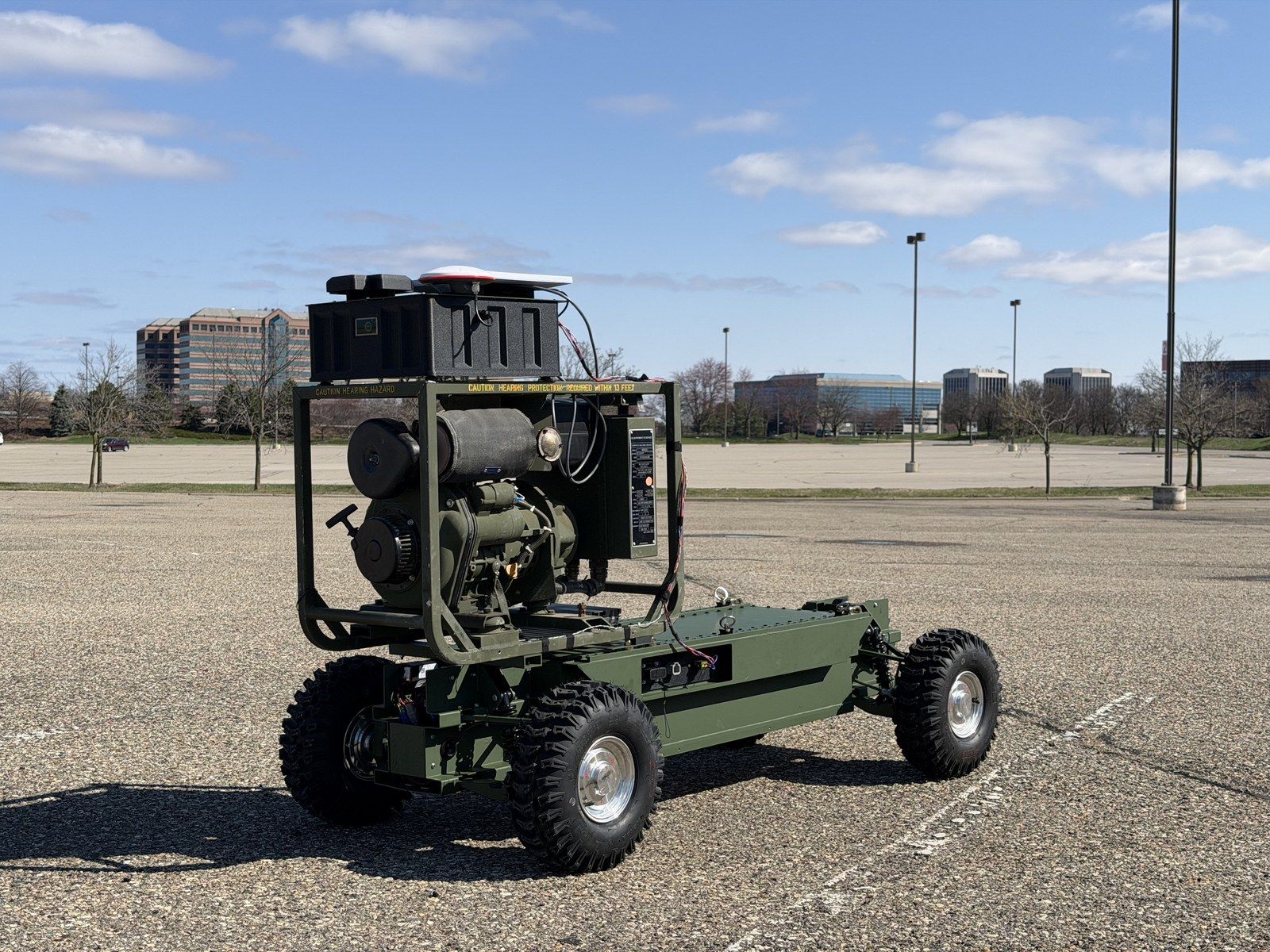
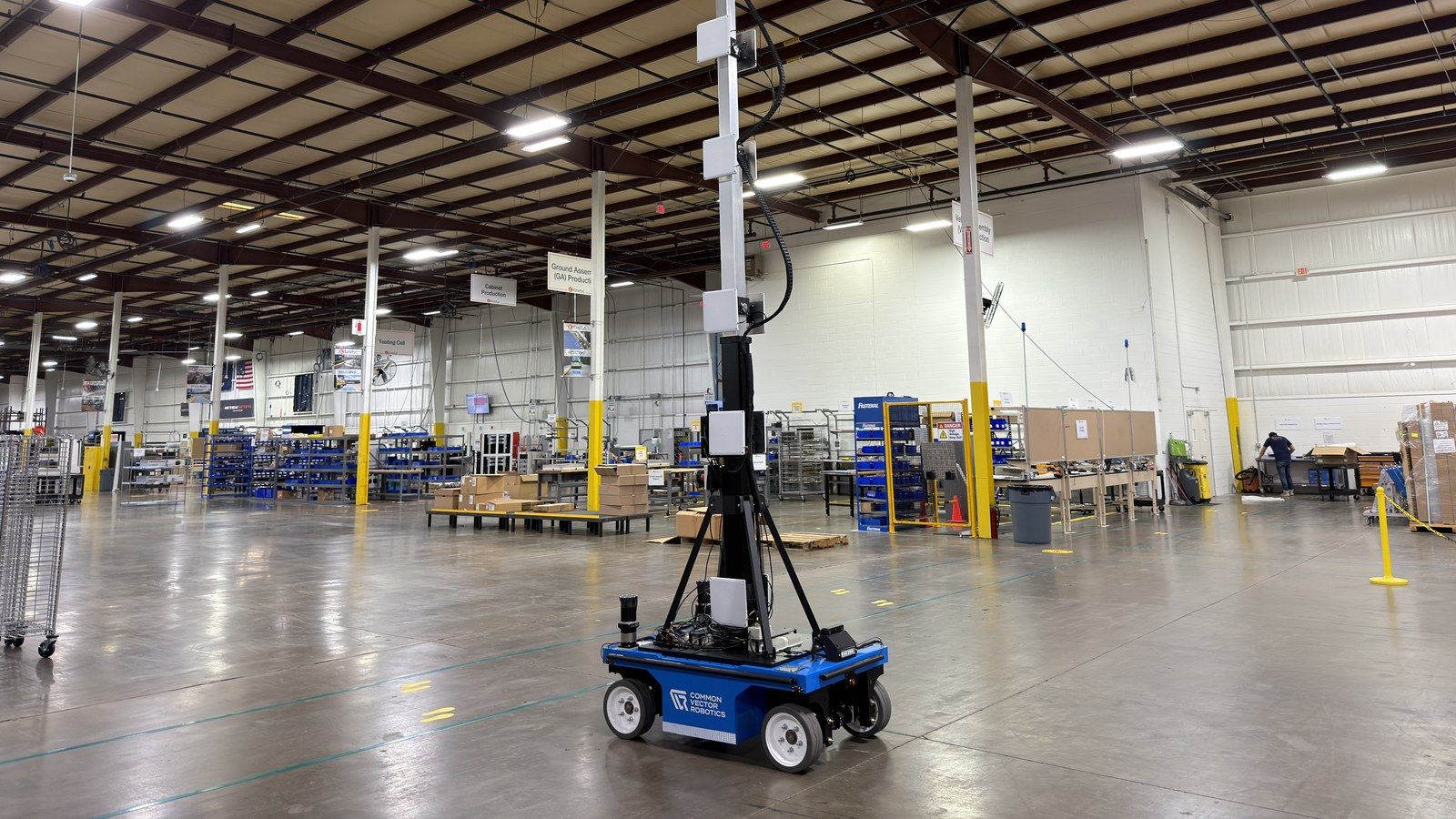
CVR builds full-stack robots
first, then verticalizes the
hardware they require.
CVR robots share one platform — a common genome of parts, firmware, and deployment history. Navigation data, field failures, and production demand from each deployment improve the Robot Genome.
Our engineering and manufacturing, on one shared library of parts and firmware.
Lessons from the field flow back into the Robot Genome. Each variant makes the next one better.
Built from the
hardware stack up.
CVR builds the components that make robotics scalable — battery packs, BMS, motor controllers, vehicle ECU, and suspension are made in-house in Detroit today. U.S.-made LFP cells and non-rare-earth motors are qualifying for the next build. Fully domestic content is the goal.
Why in-house matters to you.
Parts availability, repair turnaround, and NDAA traceability come from building packs, BMS, controllers, ECU and suspension ourselves.
CVR does not need to build every component on day one. The company starts by owning the system, then selectively internalizes the components that determine cost, reliability, compliance, and supply-chain assurance.
Put a CVR robot
to work.
Tell us the job. We'll name the platform and the next step.
Or email partners@us-cvr.com